

Table of Contents
Our Supporting Artisans who helped curate the products on this site will share commissions for purchases made through links in this post.DIY craft kits have exploded in popularity as more people realize how satisfying it feels to make something by hand. These all-in-one creative projects give you everything—materials, instructions, the works—to whip up jewelry, paintings, knitted scarves, or quirky home decor. When you pick craft kits that suit your personality, you’ll probably find yourself way more engaged, and the whole process just feels smoother and more rewarding.

Your personality has a huge impact on which creative projects will actually make you happy. Some folks get a kick out of intricate, precise work—think cross-stitch or paint-by-numbers—while others just want to dive in and improvise, like with paint pouring or collage. If you know your own vibe, it’s a lot easier to pick kits that fit your natural style and strengths.
There’s a wild variety of DIY craft kits out there, from super simple starter projects to advanced, ambitious ones. You can mess around with fabric, paint, clay, or metal, and end up with accessories, home decor, or gifts that actually feel like you. When your craft kit matches your personality, it’s not just a hobby—it’s a genuinely satisfying creative outlet.
Key Takeaways
- DIY craft kits bundle up all the materials and instructions you need for at-home creative projects
- Picking craft projects that vibe with your personality makes the experience more fun and fulfilling
- Different personalities click with different crafting styles, from meticulous detail work to spontaneous, artsy projects
Understanding DIY Craft Kits and Their Appeal
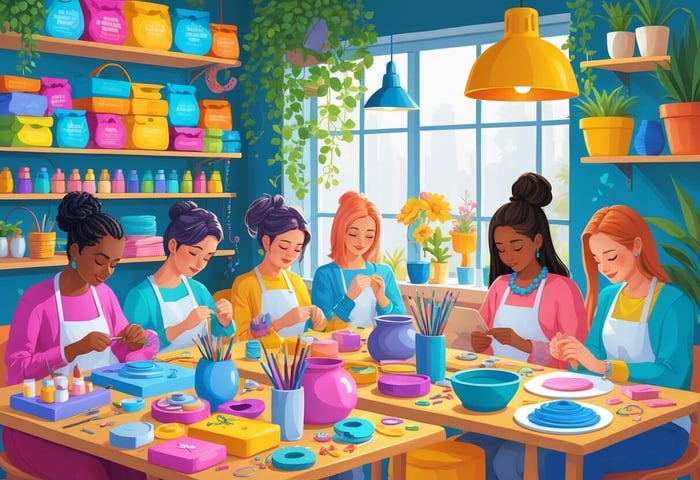
DIY craft kits hand you all the materials and clear instructions for a specific project, so almost anyone can jump in. They’ve really taken off lately, probably because they take the hassle out of shopping for supplies or figuring out techniques on your own.
What Are DIY Craft Kits?
DIY craft kits come as complete sets with everything you’ll need—materials, tools, and step-by-step guides.
Most focus on a particular craft. You’ll see kits for painting, knitting, jewelry making, woodworking, and more, each aimed at different skill levels.
Common kit components:
- Raw materials (like fabric, paint, beads, etc.)
- Basic tools for the job
- Instruction booklet or guide
- Templates or patterns if needed
The instructions walk you through each step, so even tricky projects feel doable. Beginners especially appreciate how these kits break things down into bite-sized chunks.
Many kits also toss in links to online tutorials. Watching someone else do it first can make a big difference.
Growth in Popularity of Craft Kits
Craft kits are everywhere now. People seem to crave hands-on activities that let them make something real and personal.
Interest really spiked during the pandemic—everyone stuck at home, looking for something new to try. Craft kits ticked all the boxes for a lot of folks.
What’s fueling the trend?
- Convenience—everything’s in one box
- No need to stress over what supplies to get
- Sharing finished projects on social media
- Stress relief from doing something with your hands
Online shopping made it so much easier to find even the most niche kits. Subscription boxes are a thing now, too, with monthly surprises for crafters.
There are kits for absolute beginners and for seasoned pros, so just about anyone can find something that feels right.
Key Benefits for Different Skill Levels
Craft kits work for everyone, whether you’re just starting out or you’ve been crafting for years. They solve a lot of the usual headaches that keep people from getting started.
For beginners:
- No guesswork about supplies
- Clear, structured learning
- Confidence boost when you finish something
- Safe way to try new techniques
Walking into a craft store can feel overwhelming if you’re new. Kits take the pressure off by giving you exactly what you need—no wandering the aisles, no confusion.
For experienced crafters:
- Skip the shopping trips
- Test new techniques without investing a ton
- Get inspired for future projects
- Enjoy low-pressure crafting without planning
Advanced crafters sometimes reach for a kit when they just want to unwind. All the prep work’s done, so they can just focus on creating.
Kits are also perfect if you’re short on time. You can dive in and finish a project without running errands or digging through tutorials.
Types of DIY Craft Kits
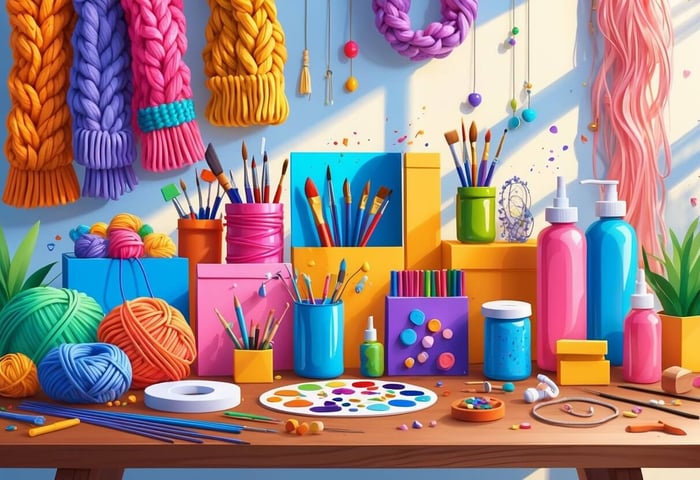
DIY craft kits come in all shapes and sizes, so you can find one that fits your interests and skill level. You might go for classic art projects like painting, or try something trendier like resin art for a cool home accent.
Art and Painting Kits
Paint by numbers kits are a solid pick for beginners who want to make real art. You get a canvas divided into numbered sections and matching paints—just fill in the spaces, and you’re done.
More advanced painting kits throw in blank canvases and pro-level supplies. Brushes, paints, guides—sometimes even step-by-step walkthroughs. You can tackle landscapes, portraits, or go wild with abstract art.
Watercolor kits are perfect if you like dreamy, flowing effects. You’ll get watercolor paints, special paper, and brushes that work well with this style. Flowers, nature scenes, whatever feels right.
Acrylic kits are all about bold, vibrant colors. The paint dries fast and covers well, and you usually get a few canvas sizes to experiment with.
Some digital painting kits blend old-school art with tech—styluses and special paper that sync with your phone or tablet.
Textile and Needlework Kits
Cross-stitch kits are super popular. You get fabric with a grid, colored threads, and a needle. Just follow the chart to stitch up pictures or patterns, one tiny X at a time.
Embroidery kits let you add decorative stitches to fabric. They come with hoops, special threads, and pattern guides. Some are simple, others are surprisingly complex.
Knitting kits include yarn, needles, and instructions for scarves, hats, or sweaters. Beginners start with basic stitches, while advanced kits teach trickier patterns.
Crochet kits use a single hook, not two needles. You can make blankets, bags, or little decorative pieces. Kits come with different hook sizes and yarns for all sorts of projects.
Quilting kits offer pre-cut fabric pieces and templates. You’ll learn to sew them together into bigger designs. Some focus on small stuff like placemats or wall art.
Resin Art and Specialty Kits
Resin art kits let you make shiny, pro-looking pieces. They include epoxy resin, mixing cups, and stir sticks. Add color, glitter, or tiny objects to make your own designs.
Most resin kits come with safety gear—gloves, masks, and clear instructions for working in a well-ventilated space. The resin sets into a smooth, glassy finish.
Resin molds help you create coasters, keychains, or jewelry. Kits have silicone molds in all sorts of shapes. You can even use resin to seal paintings or wood crafts.
Alcohol ink kits are for those who love unpredictable, flowing art. The inks blend in wild ways on special paper or tiles, and you can even mix them into resin.
Polymer clay kits let you sculpt figures or jewelry. The clay stays soft until you bake it in a regular oven. Kits usually include tools for shaping and adding texture.
Home Décor and Handmade Decor Kits
Macrame kits teach you how to tie decorative knots with cord or rope. Make wall hangings, plant holders, or even curtains. The kits give you all the cord and supports you’ll need.
Candle-making kits let you play with scents and colors. They provide wax, wicks, containers, and fragrance oils. Try your hand at jar candles, pillars, or fun shapes.
Wreath-making kits come with bases—wire, foam, or natural stuff—and loads of decorative bits like flowers, ribbons, or seasonal accents. The options change with the holidays.
Wood burning kits have special pens that heat up so you can burn designs into wood. Practice pieces and pattern templates are usually included. You’ll end up with handmade decor that’s got a rustic vibe.
Terrarium kits bundle up small plants, special soil, and glass containers. Some even include stones, moss, or tiny figures to finish off your mini ecosystem.
Matching Craft Kits to Your Personality
Your personality really does shape which craft projects will actually make you happy. Different crafters thrive with different materials, complexity, and creative freedom.
Understanding Your Creative Style
Your creative style says a lot about which kits will click with you. Some people love getting lost in detailed, precise work. Others want to splash out with bold, expressive projects where there’s room to improvise.
Detail-oriented crafters enjoy things like embroidery, cross-stitch, or those tiny book nooks. These projects reward patience and a steady hand. It’s easy to lose track of time perfecting little stitches or painting miniature details.
Expressive crafters usually reach for painting kits, jewelry making, or pottery. These projects let you play with color, patterns, and design choices. You can always add your own spin to make it feel personal.
Beginner-friendly crafters do best with kits that spell everything out and include all the materials. Look for ones labeled easy or beginner. They’re great for building confidence and picking up new skills.
Craft Kits for Relaxation and Mindfulness
Some projects are just naturally calming. These kits are all about repetitive motions and peaceful activities that help you unwind.
Knitting and crochet kits are perfect for zoning out. The repetitive stitches can melt away stress, and lots of people find the rhythm soothing after a long day.
Adult coloring and painting kits give you a gentle creative break. You can work at your own pace, no pressure. Focusing on the task helps quiet your mind.
Beading and jewelry making mix mindfulness with creativity. Threading beads takes focus, which helps block out distractions. Fortune bracelet kits and similar projects offer a nice blend of creativity and calm.
Kits for Social and Collaborative Crafters
Some folks just love crafting with others. Social craft kits are perfect for group hangs or family time.
Party-friendly kits cover things like friendship bracelets, painting, or decorating. They’re a hit at sleepovers, family gatherings, or craft nights with friends.
Multi-person projects let everyone pitch in on one big creation. Quilting kits work well for this—each person can make a square for a group quilt, for example.
Teaching-friendly kits help experienced crafters show newbies the ropes. Look for kits with extra materials or simple techniques that are easy to teach and learn together.
Personalized Gift Ideas Using Craft Kits
Craft kits open up a ton of ways to make meaningful gifts that show you care. You can whip up custom jewelry, knitted pieces, or home decor that actually suits the person’s style and interests. There’s something special about a handmade present, right?
Handmade Gifts for Different Occasions
Birthday gifts feel extra special with jewelry-making kits. Pick out beads in their favorite colors, maybe toss in a charm that hints at their hobbies or quirks.
Holiday presents really shine when you use knitting kits. Scarves and blankets always get a smile in winter. Go for yarn colors that fit their style or match their living room.
Anniversary gifts get a personal twist with custom photo frames. Paint kits let you scrawl on a quote or date that means something to you both. Color choices can bring back certain memories—at least, that's what I like to think.
Here are popular kit types for each occasion:
| Occasion | Best Kit Type | Personal Touch |
|---|---|---|
| Birthdays | Jewelry making | Birthstone colors |
| Holidays | Knitting/crochet | Seasonal colors |
| Anniversaries | Photo crafts | Important dates |
| Graduations | Art supplies | School colors |
Wedding gifts really come to life with macrame kits. Wall hangings add a cozy vibe to new homes. I usually go with neutral colors—they seem to blend in anywhere.
CROCHETTA Crochet Kit for Beginners, Beginner Crochet Kit for Adults with Step-by-Step Video Tutorials, DIY Crochet Animal Kits Kids Knitting

$15.18
$19.99
Brand: CROCHETTAColor: BeagleFeatures: All-In-One Crochet Starter Kit: CROCHETTA beginner crochet kit includes everything you need to start: 5 different colored yarns, ample stuffing, 1 needle, 4 eyes, 5 stitch markers, 2 ergonomic crochet hooks, 1 pair of scissors, 1 crochet… read more
DIY Gift Kits for Loved Ones
Family members gravitate toward different crafts depending on their age and what they like. Kids usually go for bead kits with big, chunky pieces. Adults are more into detailed stuff—think embroidery projects that take a while to finish.
Friends appreciate kits that tie into their hobbies. Art lovers? Hand them painting kits. If they're into scents, candle-making kits are usually a hit.
Partners notice those little romantic touches. Heart-shaped crafts or using their favorite colors or scents make the gift feel extra thoughtful.
Consider these personality matches:
- Creative types: Art kits loaded with supplies
- Practical people: Useful knitted things like hats or mittens
- Home lovers: Decor projects, maybe a plant hanger
- Jewelry fans: Bracelet or necklace kits
Coworkers usually like simple, classy gifts. Small succulent planters or neat desk accessories do the trick. Stick to neutral colors to keep it professional.
Customizing Crafts for a Personal Touch
Color choices really set the vibe for diy gifts. Use their favorite shades in yarn, beads, or paint. Try to match their home or wardrobe if you can guess their style.
Add initials for a quick personal touch. Embroider their letters on fabric stuff, or string letter beads into jewelry.
Include meaningful symbols that call back to shared memories. Star charms for the stargazer, flower patterns for the gardener—little things like that.
Size matters for wearables. Double-check jewelry sizes before starting. Measure for scarves or anything that needs to fit right.
Scent options are fun in candle or soap kits. Lavender works wonders for stressed-out friends. Citrus is perfect for morning people who need a little boost.
Texture choices keep things interesting. Try mixing smooth beads with bumpy ones. Use different yarn weights for a unique knitted piece.
Theme coordination pulls everything together. Blues and shells give off a beachy vibe. Greens and wood pieces feel more foresty.
Essential Crafting Supplies and Materials
Having the right supplies can make or break your crafting session. Good tools, reliable glue, and materials you actually enjoy using—those are the basics for any DIY kit.
Must-Have Crafting Tools
Every crafter needs some go-to tools that work for lots of projects. Scissors are a must—keep a sharp pair for fabric and another for everything else.
A cutting mat saves your table from disaster. Self-healing mats last longer and don't look as rough after a few projects.
Rulers and measuring tools help keep things straight. I like a metal ruler for cutting and a flexible tape for anything curved.
Brushes come in handy for all sorts of things:
- Flat brushes for broad strokes
- Round brushes for detail work
- Foam brushes for smooth finishes
Craft knives are perfect for precision cuts. Keep extra blades nearby—dull ones just make a mess.
Bone folders give you crisp paper folds, and tweezers make it so much easier to place tiny parts right where you want them.
Toss everything into a toolbox or caddy so you don't lose stuff mid-project.
Choosing the Right Craft Glue
Every project needs its own kind of glue. White school glue works for most paper crafts and dries clear, so you don't have to worry about messes showing.
Glue sticks keep things tidy and are great for quick fixes or lining things up before you commit.
Hot glue guns get things stuck fast. Low-temp guns are good for delicate stuff, while high-temp ones handle heavier materials.
Craft glue like Aleene's Tacky Glue grabs fast and holds strong. It works on fabric, wood, and just about anything else you throw at it.
Double-sided tape gives you clean edges, and foam tape adds a bit of lift to your projects.
Epoxy sticks things together for good—use it for outdoor crafts or anything heavy-duty.
Match your glue to your materials. Paper doesn't need much, but wood or metal calls for something stronger.
SGIBYN Crochet Kit for Beginners with Step-by-Step Video Tutorials,Beginners Starter Crochet Succulent Plant Kit for Adults Kids,Learn to Crochet Set

$19.99
$21.99
Brand: SGIBYNColor: Hanging plantsFeatures: 【All-In-One Crochet Starter Kit】The SGIBYN hanging plant beginner crochet kit includes: a crochet pattern, a crochet guide book for beginners, easy knitting soft cotton yarns, 2 crochet hooks, fluffy stuffing, a pair of scissors, yarn needles,… read more
Selecting Sustainable Materials
Recycled paper works just as well as new, and you can usually spot it by the post-consumer label.
Natural fibers like cotton, wool, or linen break down better than synthetics. Honestly, they're just nicer to work with.
Water-based paints and finishes skip the harsh chemicals and clean up way easier than solvent-based stuff.
Bamboo tools are a solid swap for plastic handles. Bamboo grows fast and breaks down without a fuss.
Try refillable containers when you can. Lots of stores have bulk bins for beads and other small supplies.
Upcycle materials from around the house. Old magazines, fabric scraps, cardboard—they all end up as craft supplies in my place.
Thrift stores are goldmines for buttons, fabric, and other supplies. You save cash and keep things out of the landfill—win-win.
Getting Started on Your DIY Craft Journey
Getting into crafting? It really helps to pick a project that excites you, find inspiration, and learn how to take care of your finished work. Good habits from the start make the whole thing a lot more enjoyable.
Tips for Beginners
Start with projects that keep things simple—basic tools, easy materials. Kits with clear instructions and just a few steps help you build confidence without feeling lost.
Read all instructions first before you dive in. It's tempting to just start, but a quick read-through saves you from silly mistakes.
Set up a workspace that's clean and bright. Good lighting saves your eyes and helps with details. I always keep a small trash bag nearby for random scraps.
Some beginner-friendly options:
- String bracelets or necklaces
- Paint-by-number canvases
- Simple embroidery hoops
- Basic candle making
- Paper crafts like cards or bookmarks
Practice basic techniques before you tackle the real thing. Try out brush strokes on scrap paper, or practice threading needles and tying knots first.
Don't stress about perfection. Your first projects will have quirks—honestly, that's part of the fun. Focus on learning, not on making something flawless.
Keep some extra supplies handy. Backup beads, extra thread, or spare paint can save the day if something goes sideways.
Finding Inspiration for New Projects
Follow craft blogs and social media pages that fit your style. Pinterest is great for saving ideas to revisit later.
Visit craft stores in person when you can. Walking the aisles often sparks ideas you wouldn't have thought of at home. Finished samples on display can be surprisingly motivating.
Join online crafting communities—Facebook groups, Reddit forums, wherever people share photos and tips. There's always someone with a clever idea or a fix for your latest mishap.
Try these for inspiration:
- Seasonal decorating magazines
- Nature walks—just for color ideas
- Home decor websites
- Art museums
- Vintage shops and thrift stores
Keep an idea notebook or a folder on your phone for photos. Jot down materials and rate how tricky each idea looks.
Challenge yourself with monthly themes. Focus on holiday crafts in October, or try spring colors in March. Keeps things fresh, if you ask me.
Look at everyday stuff with fresh eyes. That old jar? Maybe it's a candle holder now. Fabric scraps? Patchwork project, obviously.
Caring for and Displaying Finished Crafts
Clean your finished pieces based on what they're made of. Dust fabric items with a soft brush. Wipe painted stuff with a barely damp cloth—don't soak it.
Store delicate items safely when they're not out on display. Use acid-free tissue for jewelry. Keep candles away from heat (learned that one the hard way).
Show off your work where you can see it. It's a good reminder of what you've made and gives you a little motivation boost.
Protection methods by craft type:
| Craft Type | Storage Method | Display Tips |
|---|---|---|
| Jewelry | Soft pouches | Jewelry stands |
| Paintings | Flat storage | Proper frames |
| Candles | Cool, dry place | Away from sunlight |
| Fabric crafts | Cedar boxes | Rotate displays |
Take photos of your finished projects before you give them away. It's fun to look back and see how much you've improved.
Frame smaller crafts like embroidery or pressed flowers. A good frame protects your work and makes it look more polished.
Switch up your displays with the seasons. Store off-season stuff carefully so it doesn't get ruined waiting for its turn.
FAQs
What components should be considered essential in a DIY craft kit for different age groups?
Young kids (3-6) need big, safe pieces—think chunky beads, washable markers, and scissors made for little hands. Kits for this age group should use step-by-step picture guides instead of just words.
Kids aged 7-12 can handle smaller pieces and basic tools like glue sticks, colored paper, and simple sewing supplies. They do well with a mix of pictures and easy-to-read text in the instructions.
Teens usually want more advanced materials—jewelry wire, embroidery floss, or paint sets. They can follow detailed written instructions and use precision tools safely.
Adults want quality materials: nice paints, sharp tools, and supplies that feel a bit more professional. Instructions can be more complex and assume you know the basics.
No matter the age, everyone needs good lighting and a workspace that fits the project. Safety gear—like mats or aprons—should match the risks for each age group.
How can craft kits be tailored to different personality types?
Detail-oriented folks usually gravitate toward kits that come with clear instructions and lots of tiny, fiddly pieces—think cross-stitch or model building. They seem to find satisfaction in projects that reward patience and a steady hand.
If you know someone who’s more of a creative free spirit, they’ll probably light up at open-ended kits—painting sets, mixed-media stuff, anything that lets them tweak or break the “rules.” Being able to put their own spin on things really matters to them.
Social types? They’re all about group craft kits or activities that turn into a party. Anything they can do with friends or share with others fits their outgoing vibe.
Practical personalities want crafts that serve a purpose—home organization projects, useful items, stuff they’ll actually use. They like knowing their time and effort pay off in something tangible.
Analytical folks lean toward STEM craft kits. If a kit mixes creativity with a bit of engineering or science, it’ll probably catch their interest. They enjoy projects that make them think and experiment.
What makes a craft kit suitable for both beginners and experienced crafters?
When kits include step-by-step instructions for beginners but toss in some advanced techniques too, everyone finds their level. Difficulty ratings help people figure out where to start.
Kits with decent, reliable tools work for both basic and more ambitious projects. Beginners don’t get overwhelmed, and seasoned crafters aren’t left wishing for better supplies.
Expandable designs let beginners keep things simple at first, but leave room to get fancy later—switching up colors, adding techniques, or piling on embellishments.
Troubleshooting guides and tips on avoiding common mistakes make a real difference. Beginners dodge frustration, and experienced crafters can quickly solve hiccups without hunting online.
Extra materials go a long way. Advanced crafters use the surplus for their own twists or bonus projects, while beginners have some wiggle room to experiment.
What are the benefits of engaging with DIY craft kits for personal growth?
Crafting builds fine motor skills and coordination through all the tiny, detailed work. Honestly, those skills come in handy elsewhere, and they help keep your hands nimble as the years go by.
Every project throws a few curveballs, so you get better at problem-solving and thinking on your feet. Creative fixes become second nature after a while.
There’s a real confidence boost when you finish something and can actually hold it in your hands. It’s proof you pulled it off, and you pick up new skills along the way.
Getting absorbed in a craft can quiet your mind for a bit. The focus and repetition can be almost meditative—sometimes you don’t realize how much you needed that until you’re in the middle of it.
Crafting lets you make choices—colors, patterns, tweaks—so every finished piece feels like it’s a little bit of you. It’s a fun way to show off your personality, even if it’s just to yourself.
Why have DIY craft kits gained popularity among adults and children alike?
They’re just easy. You don’t have to run around hunting for supplies; everything shows up in the box, ready to go.
It’s a solid way to step away from screens for a bit and actually make something with your hands. Feels refreshing, honestly.
Kits help you pick up new skills at your own pace. You get to try things out safely, without dropping a fortune on supplies you might never use again.
Shared crafting brings people together—whether it’s friends in person or strangers in online communities. Plenty of subscription kits even hook you up with groups or forums to swap ideas.
And let’s face it, kits usually cost less than buying everything separately. Companies buy in bulk, so you get quality supplies without the retail markup—kind of a win for your wallet.
What should buyers look for when selecting a craft kit that aligns with their creative interests?
Material quality really matters for how your finished project looks and holds up. I’d check for recognizable brands, clear material descriptions, and honest user reviews about what’s actually inside.
Clear instructions can make or break the whole experience. I usually look for kits that offer more than just a list of steps—maybe diagrams or even a video link, if possible.
Matching the kit’s skill level to your own can save a lot of headaches. Difficulty ratings and realistic time estimates give you a sense of what you’re getting into.
Pick something that actually excites you—don’t just settle for what’s trendy. If the theme, colors, or style don’t fit your vibe, it’s tough to stay motivated and finish.
Check what tools you’ll need ahead of time. Some kits expect you to have extras on hand, and not everyone has a craft drawer full of supplies. Make sure it fits your space and budget.