

Bunk Beds for Every Age: Safety, Types, and Choosing the Right Fit
Bunk beds are a clever way to squeeze more out of a bedroom, especially for families juggling kids of different ages. If you’re a parent, you’ve probably wondered: when is it actually safe for my kid to use a bunk bed, and what kind of setup should we go for as they grow? The Consumer Product Safety Commission says kids should be at least six before they get the top bunk, but little ones can use the bottom bunk safely even earlier.
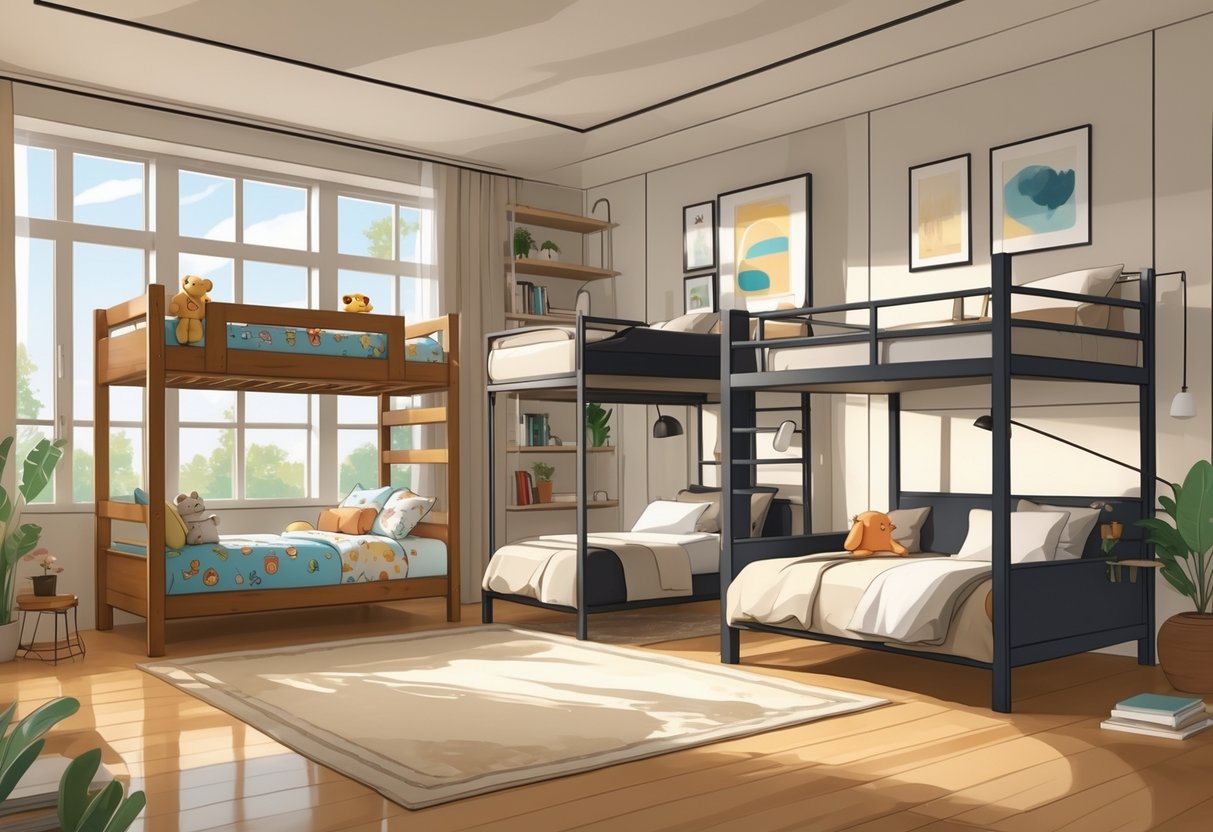
The “right” bunk bed? That depends a lot on your child’s age, the size of the room, and what features you actually need. Toddlers might need something close to the ground, while teens (who seem to grow overnight) need strong frames that’ll hold up. It’s all about matching the bed to your kid and your space.
Safety, mattress fit, and a solid install are non-negotiable if you want bunk beds to work for your family. We’ll get into what matters for each age, what features to look for, and how to get a bunk bed that sticks around as your kids grow and change.
Key Takeaways
- Kids need to be at least six to sleep on the top bunk
- Guardrails and secure ladders are must-haves for everyone
- Choosing a bunk bed comes down to age, room size, and how you see your family’s needs changing
Understanding Bunk Beds for All Ages

Bunk beds are surprisingly flexible—they work for toddlers, teens, even adults, all because they’re built to save space and adapt to what you need. Every age group gets something different out of them, whether it’s fun, practicality, or just a place to crash.
Defining Bunk Beds and Their Versatility
At their core, bunk beds are furniture with sleeping spaces stacked vertically. Instead of eating up your floor, they make use of height.
There’s a bunch of options. Twin-over-twin is the classic for siblings. Twin-over-full gives extra room on the bottom for bigger kids or adults.
Loft beds open up floor space for desks or storage underneath. Some even split into two regular beds if you want to switch things up later.
Modern bunk beds often come with:
You’ll see wood, metal, and even composite options. Each has its own vibe and price range. Guardrails and sturdy ladders are standard if you’re buying new—safety’s a big deal, no matter the age.
Why Bunk Beds Appeal to Every Generation
For little kids, bunk beds are just cool—they turn bedtime into an adventure. There’s something about climbing up to your own “fort” that never gets old.
Parents? They love the extra floor space. Bunk beds mean more room for play or storage in tight bedrooms.
Teens are all about loft beds with desks underneath. It’s a way to carve out a study spot or a bit of privacy when sharing a room.
Adults use bunk beds in guest rooms, small apartments, or even vacation cabins. They’re handy for visitors or when you just don’t have much space to work with.
College students go for bunks in dorms or shared apartments. They’re affordable, save space, and get the job done.
And believe it or not, some adults put bunk beds in master bedrooms—especially if they’ve got high ceilings and need creative ways to use the space.
Age Recommendations and Safe Usage
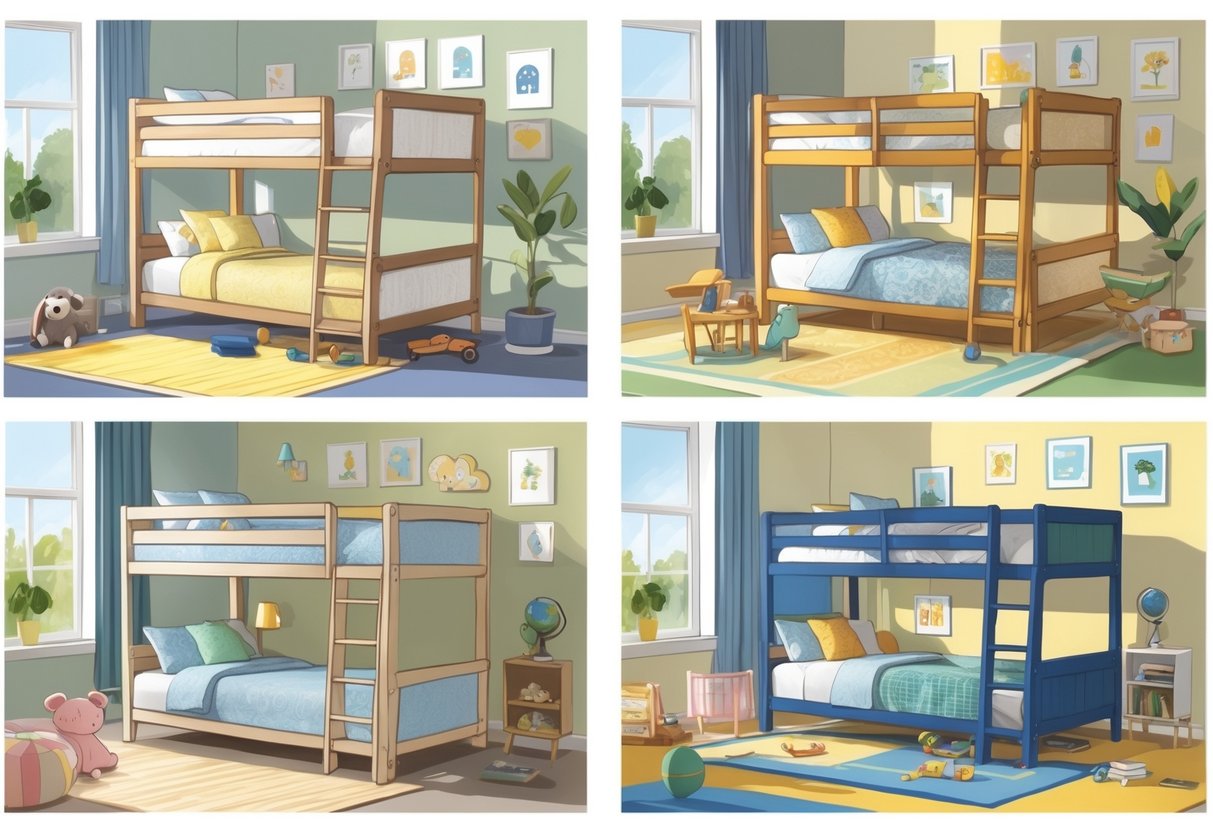
Top bunk? Six years old, minimum. Bottom bunk? Pretty much any age, even toddlers. It’s less about a magic number and more about your kid’s physical ability and maturity.
Minimum and Recommended Ages for Top and Bottom Bunks
Kids under six shouldn’t be on the top bunk, period. Most experts agree: young kids just don’t have the coordination to climb up and down safely or avoid rolling out.
The bottom bunk is fair game for any age. You can move your child there right after they outgrow the crib, if that works for your family.
Top Bunk Safety Guidelines:
- 6+: Absolute minimum age for the top bunk
- 8+: Even better for safety
- 10+: Most kids can handle climbing alone by now
Guardrails are non-negotiable for the top bunk, no matter how old your kid is. The gap between the mattress and guardrail shouldn’t be more than 3.5 inches, or you risk a scary situation.
Assessing Readiness: Physical and Behavioral Factors
Age is just one piece. Can your child climb a ladder without help? Are they steady on their feet? That stuff matters just as much.
Physical Requirements:
- Climbs stairs alone
- Has good balance and coordination
- Can reach the ladder rungs easily
- Shows enough upper body strength
Behavior counts, too. Kids who follow rules and don’t roughhouse on the bed are safer up top.
Behavioral Indicators:
- Listens to bedtime rules (most of the time, anyway)
- Understands what’s safe and what’s not
- Sleeps through the night without a lot of tossing and turning
- Generally responsible in other areas
Age Transitions: When to Switch Sleeping Arrangements
Most kids move up to the top bunk somewhere between six and eight. Watch for confidence and comfort more than just age.
Some kids will beg for the top bunk before they’re ready; others might be fine on the bottom for years. It’s really about what feels right for your child.
Transition Signs:
- Asks for the top bunk
- Handles all the readiness stuff above
- Excited (not scared) about climbing up
- Has solid sleep habits
If your child starts to feel cramped or outgrows the weight limit, it might be time to rethink the setup. Most bunk beds can last through the teen years if you picked a solid one to start.
Essential Safety Features for Every Age Group
Safety isn’t just for little kids—everyone needs solid guardrails (at least five inches above the mattress) and a properly spaced ladder. Mattress fit and strong construction are the backbone of a safe bunk bed, especially as kids get older and bigger.
Importance of Guardrails and Ladder Design
Guardrails are your first line of defense against falls. They’ve got to stick up at least five inches above the mattress, and the slats shouldn’t be more than 3.5 inches apart.
Kids under six? Keep them off the top bunk—climbing and sleeping up high just isn’t safe yet.
What to look for in a ladder:
- Rungs spaced 9-15 inches apart—easy to grip
- Anti-slip grooves or surfaces
- Firmly attached to the bed frame
- Angled for easier climbing
Steps can be a safer pick for younger kids, especially if they double as storage. Angled ladders also beat straight-up-and-down ones for comfort and safety.
Mattress Size and Fit Considerations
The bunk bed mattress needs to fit tight in the frame—no gaps bigger than two inches. Gaps are a real hazard, especially for smaller kids.
Mattress basics:
- No thicker than 6 inches up top
- Fits the frame exactly
- Firm enough to keep its shape
Go too thick and you lose guardrail height, which makes falls more likely. Always measure the frame and mattress before you buy. Standard twin is 38 by 75 inches; full is 54 by 75.
If the mattress is too soft, it can squish down and create gaps or make guardrails less effective. Not worth the risk.
Construction Materials and Durability
Solid wood or heavy-duty metal is best for bunk beds. They’re much more likely to hold up (think 200-300 pounds per bunk for teens or adults).
What matters most:
- Thick slats or metal supports
- Reinforced joints
- Hardware that doesn’t wiggle loose
- All edges smooth—no sharp bits
Check screws and bolts every so often—things can loosen up over time. If the bed wobbles or creaks a lot, it’s time to tighten things or rethink your setup.
Always check the manufacturer’s weight limits and pick a bed that gives your kid some room to grow.
If your frame feels shaky or noisy, that’s a red flag. Don’t ignore it.
Selecting the Right Bunk Bed by Age
What works for a six-year-old won’t cut it for a teenager. Young kids need low beds and extra safety, while older kids and adults can handle taller, roomier bunks.
Best Options for Young Children
If your kids are ages 6-10, go for bunk beds with the most robust safety features. Keep the top bunk low—no higher than 45 inches from the floor to the bed.
Safety comes first. Look for full guardrails all around, and ladders with wide, flat steps that are easy for little feet.
Low-profile bunks are easier to climb and make it simpler for parents to help at bedtime.
Material matters, too. Solid wood is usually sturdier than particle board. Metal frames can be a good pick as well—just check for stability.
Twin over twin is the classic for this age group, especially if siblings are close in age or size.
Bunk Beds for Teens and College Students
Teens are fine with taller bunks (up to 55 inches high) and usually want something that doesn’t look too kiddish.
Storage is a big deal for teens. Drawers, shelves, even stairs with cubbies—these features help keep rooms a little less chaotic.
Loft beds are great if your teen wants a desk or a hangout spot underneath. It’s a smart way to make a small room feel bigger.
Twin over full is a hit with teens. The bigger bottom gives more space for a growing kid and looks more mature.
College students tend to pick metal bunks—they’re lighter, easier to move, and usually cheaper (which is nice when you’re on a tight budget).
Adult-Friendly Bunk Beds
Adults need bunk beds that can handle more weight and actually feel comfortable for bigger bodies. Standard bunk beds just aren’t built for that.
Weight capacity is the key factor. If you’re shopping for adult bunk beds, look for models that support at least 400 pounds per bunk. Beds made with thick metal frames or solid hardwood are usually the safest bet.
Full over full bunks are usually the best pick for adults. The extra sleeping space makes a difference. You can even find some queen-size bunk beds if you want to go all out.
Ceiling height matters more with adult bunk beds. You’ll need at least 8 inches of headroom when sitting up on the top bunk. Definitely measure your space before making any decisions.
Adult bunk beds usually skip the playful designs and stick to function. Some come with built-in outlets or reading lights—little touches that make life easier.
Choosing Mattresses and Bedding for Bunk Beds
The right mattress can totally change how you feel about bunk beds, no matter your age. You’ll want to consider mattress type and height, make sure it fits the frame, and keep safety in mind for both bunks.
Recommended Mattress Types and Heights
Memory foam mattresses are a good fit for bunk beds because they mold to your body and minimize movement. That way, you’re less likely to wake up if someone else climbs up or down.
Innerspring mattresses give you solid support and better airflow. They’re usually the wallet-friendly option.
Hybrid mattresses—a mix of foam and springs—offer balanced comfort and support. Older kids and adults often like these best.
Height matters for safety and comfort. The top bunk mattress should be between 5 and 8 inches thick so there’s still at least 5 inches between the mattress and the guardrails.
Go too thick on the top bunk and you lose crucial guardrail protection, which isn’t worth the risk.
Bottom bunk mattresses can be a bit thicker if you want, but keeping both mattresses at the same height usually makes life easier if kids switch bunks later.
Ensuring Proper Fit and Comfort
Most bunk beds use twin-size mattresses on both bunks, but some have a full-size mattress on the bottom.
Measure your frame carefully before buying a mattress. Standard twins are 38 by 75 inches, but not every bunk is exactly the same.
Check weight limits for both the mattress and the frame. Some mattresses are surprisingly heavy, especially memory foam ones, and you don’t want to overload the top bunk.
Consider who’s sleeping on it. Little kids don’t need as much support as teens or adults. For growing bodies, a medium-firm mattress is usually the safest choice for healthy sleep.
Test out firmness if you can. Super soft mattresses might feel good at first, but they can leave you waking up sore.
Safety and Maintenance of Mattresses
Mattress protectors are a must for bunk beds—spills, dust, and allergens are just part of life. Waterproof ones are a lifesaver with younger kids.
Rotate mattresses regularly. Every few months, flip or rotate them to keep them from wearing out in weird spots.
Check mattress condition once a month. Keep an eye out for sagging, lumps, or spots that could mess with sleep or safety.
Make sure mattresses fit snugly in the frame. Gaps can be dangerous, especially for younger kids who might get stuck.
Replace mattresses if they’re beat up. Old or damaged mattresses aren’t just uncomfortable—they’re a safety issue on bunk beds.
Keep the area clean and dry. Good airflow helps avoid mold or mildew, which nobody wants in a bedroom.
Maximizing Longevity and Functionality
Picking the right bunk bed is about more than just the initial setup. With smart features like convertible frames, built-in storage, and a bit of ongoing care, a good bunk bed can last for ages and adapt as your needs change.
Convertible and Modular Bunk Bed Designs
Convertible bunk beds can split into two separate twins when you don’t want them stacked anymore. That’s handy for families with changing needs or if you’re reworking a room.
Some models have detachable parts, so you can reconfigure things as kids grow. Removable guardrails and ladders that tuck away are also pretty common.
Key convertible features:
- Detachable upper bunk framework
- Removable safety rails
- Separate headboards and footboards
- Independent mattress support systems
Modular beds go even further, letting you swap stairs for ladders, add storage, or change the orientation. It’s a nice way to get more mileage out of the same piece of furniture.
Investing in convertible or modular beds upfront often saves money (and headaches) compared to buying new beds every few years. With decent care, these can last a decade or more.
Space-Saving Features and Storage Solutions
Lots of modern bunk beds build storage right in—drawers, shelves, and cubbies make a small room feel much less cramped.
Common storage features:
- Under-bed drawers on rolling casters
- Staircase compartments with hinged tops
- Built-in bookshelf headboards
- Side-mounted hanging organizers
Loft-style beds free up the space underneath for desks, dressers, or even a play area. It’s a clever use of vertical space.
Storage stairs are a personal favorite—each step usually opens up for stashing toys or clothes, and they’re way easier to climb than a skinny ladder.
Trundle beds give you an extra sleeping spot that slides out from under the bottom bunk. Great for sleepovers or guests without needing more floor space.
Caring for Your Bunk Bed Over Time
Regular checkups keep bunk beds safe and working well. Every month or so, look over all the bolts, screws, and joints for anything loose or worn out.
Essential maintenance tasks:
- Tighten hardware every 3-6 months
- Check mattress support slats for damage
- Inspect ladder rungs and guardrails
- Rotate mattresses quarterly
Wood frames like a quick clean and some wood polish now and then. Metal frames need dusting, and if you spot any rust or scratches, deal with them before they spread.
Using mattress protectors helps keep the bed in good shape. Swap out old mattresses when they start to sag or lose support.
Hang onto the assembly instructions and warranty info. Some companies can get you replacement parts for years, which is a lifesaver if something breaks down the line.
Frequently Asked Questions
Parents have plenty of questions about bunk bed safety and what to look for. The Consumer Product Safety Commission has set some clear rules, and the materials and design you pick really do affect how long a bunk bed lasts—and how safe it is.
What are the safety guidelines for children of different ages using bunk beds?
The Consumer Product Safety Commission says kids under 6 shouldn’t be on the top bunk, period. They just don’t have the coordination or judgment for it yet.
Any age is fine for the bottom bunk. There’s no minimum age for sleeping down low.
Teens (13 and up) can usually use bunk beds safely, but it depends on the kid. Think about how mature and coordinated your child is before letting them up top.
No matter the age, roughhousing or leaning over the edge is a no-go. Ladders and stairs are there for a reason—use them.
How can I determine the most suitable bunk bed for a 2 and 5 year old?
If you’ve got a 2-year-old and a 5-year-old, both should stick to the bottom bunk for now. Neither is old enough for the top, according to the guidelines.
Look for a low-profile bunk bed with wide, stable ladders they’ll be able to use as they get older.
Guardrails on both bunks are a must, especially with little kids who might roll around in their sleep.
Convertible beds that separate into two singles are a smart pick—they’ll grow with your kids and adapt to whatever setup you need later.
What are the recommended materials and designs for durable bunk beds?
Solid hardwoods like oak, maple, or birch are the gold standard for durability and weight support. Metal frames made of steel are also super tough, especially if they have a powder-coated finish to avoid rust.
Skip particle board or MDF if you want something that’ll last. Those materials just can’t handle the same weight or wear.
Look for reinforced joints and metal brackets—these details make a big difference. Beds held together with just wood joints won’t hold up as well over time.
At what age is it generally safe for children to sleep on the top bunk?
Kids need to be at least 6 years old for the top bunk, according to official guidelines. That’s mostly about having the motor skills and judgment to climb safely and not do anything risky up there.
Some 6-year-olds are ready, others need more time—it’s really about the individual child’s maturity and coordination.
Size matters too. Make sure your child is tall enough not to roll out easily and strong enough to climb up and down without help.
What features should I look for when choosing a bunk bed for long-term use?
Sturdy guardrails on the top bunk are non-negotiable—at least 5 inches high and no gaps wider than 3.5 inches.
Secure ladders or stairs are essential, and built-in stairs are usually the most stable, especially for younger kids.
Check weight capacity for both bunks and make sure it’s enough for growing kids or even adults down the line.
Quality hardware—metal brackets, reinforced joints, and solid screws—makes a real difference. Give everything a quick check and tighten every so often to keep things safe.
How do I assess the risk and prevent bunk bed-related accidents?
Regular safety inspections can catch hazards before anyone gets hurt. Take a look at bolts, guardrails, and ladder rungs every month—sometimes they work themselves loose or start to wear out, and it’s easy to miss if you’re not checking.
Don’t forget about headspace. You’ll want at least 2 feet between the top mattress and the ceiling, otherwise it gets cramped up there and, honestly, nobody wants to bonk their head every time they sit up.
Set some ground rules. No jumping, no rough play, and definitely no hanging off the bed frame. It might sound obvious, but kids (and, let’s be real, some adults) sometimes need reminders.
Try to keep the floor around the bunk bed clear. Toys, stray furniture, even a random shoe—those can trip someone up, especially when climbing in or out in the dark.
It’s smart to put the bed away from ceiling fans, light fixtures, or windows. You’d be surprised how easily those can turn risky for anyone using the top bunk.