

Crafting gives seniors a fun, meaningful way to keep busy, stay creative, and connect with people they care about. Whether you’re picking up a paintbrush for the first time or dusting off old knitting needles, these activities can add a little spark to your daily routine. Research shows that seniors who spend time on crafts like knitting and pottery tend to have a lower risk of developing mild cognitive impairment and might even see memory boosts.
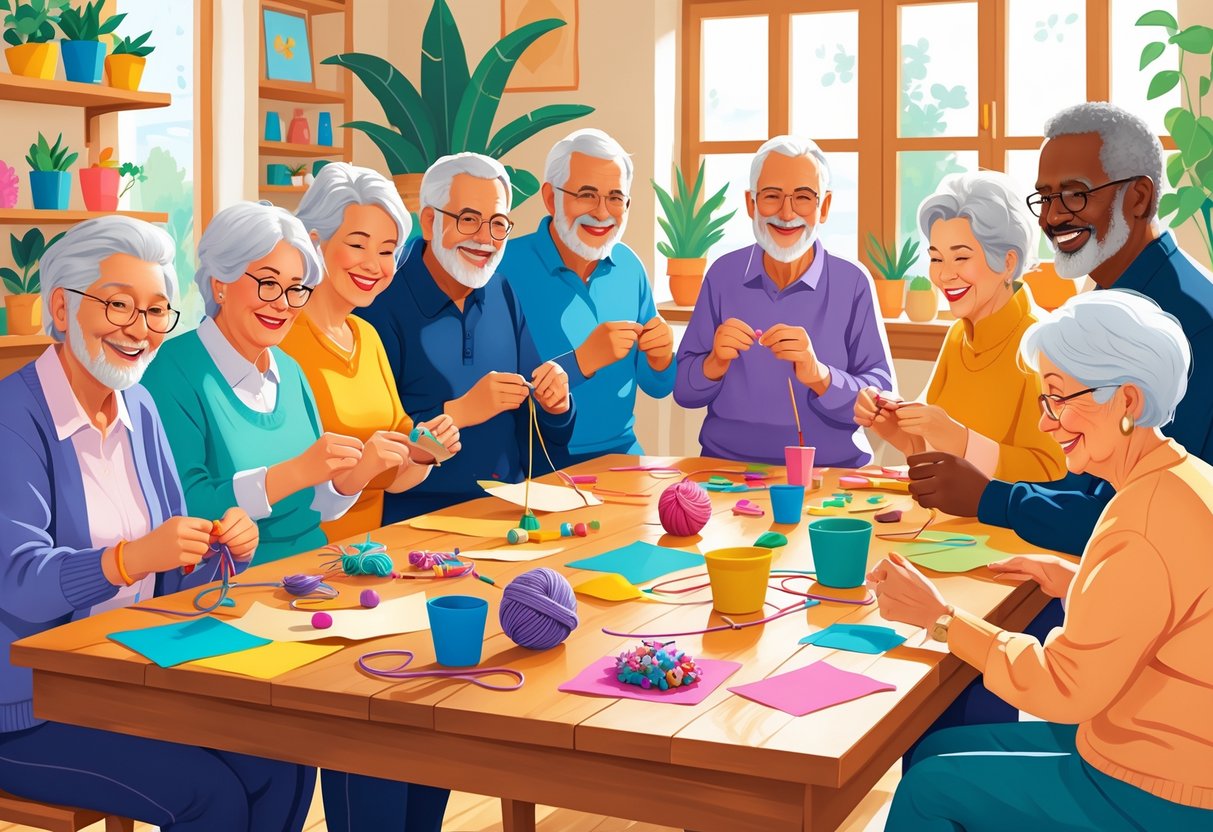
You don’t need fancy skills or pricey materials to start crafting. Plenty of projects can be tweaked for all sorts of abilities. From easy painting and coloring to more involved woodworking, there’s honestly something for just about everyone.
This guide covers the health perks of crafting, some safety basics, and a bunch of project ideas to try out. You’ll find everything from textile arts and memory crafts to fun projects you can do with your grandkids.
Key Takeaways
- Crafting has real mental and physical health benefits for older adults
- You can adapt most projects for all kinds of skill levels and physical needs
- Activities go from simple solo crafts to lively group projects with family
The Benefits of Crafting for Seniors
Crafting can boost seniors’ wellbeing in several ways. These hands-on activities sharpen the mind, improve hand skills, lift spirits, and help people feel more connected.
Cognitive and Mental Health Benefits
Arts and crafts really do give your brain a workout. When you paint, knit, or get creative, you tap into problem-solving and memory skills.
Every project nudges you to think about colors, patterns, and different techniques.
Spending time on crafts might slow down memory loss and help keep your mind alert. You need focus for detailed work, which keeps your brain busy in a good way.
People living with dementia or Alzheimer’s often find comfort in craft routines. These activities can bring a little peace and structure to tough days.
Getting absorbed in a craft feels a bit like meditation—the world quiets down as you focus on what’s in front of you.
Sticking with creative projects can actually help with memory. Working with your hands forges new brain connections.
Physical and Motor Skills Improvement
When you craft regularly, your hands and fingers get a bit stronger. Simple things like knitting, drawing, or beadwork help with grip and coordination.
Arts and crafts support those small muscle movements you need for daily life, which only get more important as you get older.
If arthritis makes things tough, gentle crafting can ease some stiffness. The repeated movements keep your hands moving and flexible.
After a stroke, people often use craft therapy to rebuild hand strength. It gives the brain a chance to relearn those fine movements.
Crafting sharpens hand-eye coordination. Threading needles, cutting paper, painting tiny details—it all adds up.
Practicing detail work keeps your dexterity up, which makes regular tasks like buttoning shirts or writing notes a bit easier.
Emotional Wellbeing and Self-Esteem
Finishing something you made yourself just feels good. Each project is proof that you can still do great things.
Crafts for seniors give you a way to express yourself, especially when words don’t come easy. Sometimes art says what you can’t.
Making things by hand can naturally lower stress and anxiety. Focusing on a project helps you forget your worries for a while.
Having a project gives you a reason to get up and get moving. That sense of purpose can really brighten your mood.
Crafting helps you feel useful again. It’s pretty common for seniors to feel like they’re not contributing, but creative work can change that.
Bit by bit, your confidence grows with each finished piece. Those little victories in crafting can make a big difference in how you see yourself.
Social Connection Through Crafting
Craft groups gather people who enjoy similar things. You’ll meet folks who get your interests and maybe even your struggles.
Arts and crafts classes make it easier to start conversations. Working side by side with others just feels less awkward somehow.
When you join group projects, you pitch in your skills for something everyone shares. It’s a team effort, and that feels good.
Sharing your crafts with family or friends makes those relationships stronger. Handmade gifts really show you care.
Crafting circles help fight loneliness. Having a regular meet-up gives you something to look forward to.
Teaching younger people your craft skills can build real bonds across generations. Your experience matters, and it’s nice to pass it on.
Essential Crafting Tips and Safety Considerations
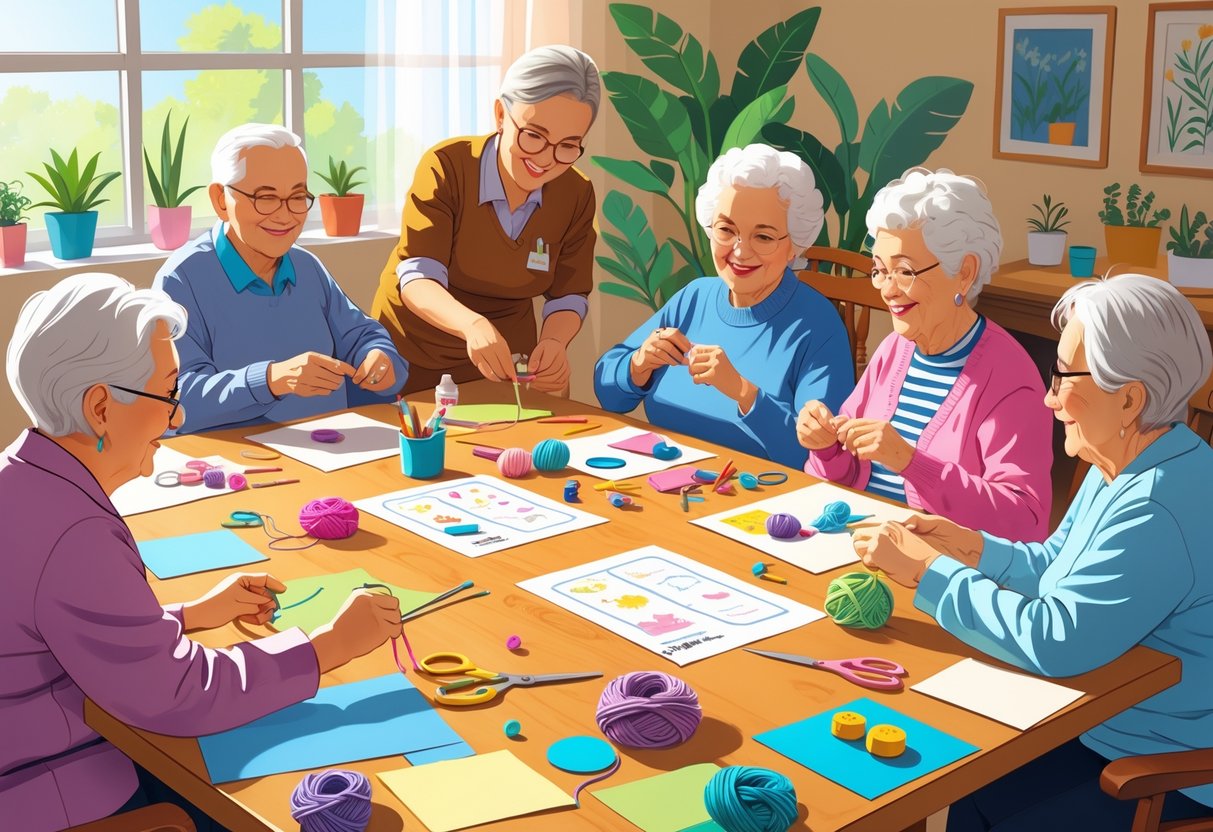
To make crafting safe and enjoyable, choose materials carefully and set up your space with comfort in mind. Tweaking tools and projects means everyone can join in, no matter their mobility.
Choosing Appropriate Craft Materials
Pick non-toxic paints, glues, and supplies made for adults. Always check for safety labels before you buy anything.
Go for larger components to avoid choking hazards. Skip tiny beads or buttons if they could be risky for anyone in the group.
Safe Material Options:
- Washable, non-toxic paints
- Blunt-tip scissors
- Large-grip markers and crayons
- Soft fabric scraps (skip anything sharp)
- Water-based adhesives
Keep allergies in mind when picking out supplies. Check with everyone about sensitivities to latex, certain dyes, or fragrances before starting.
Store everything in clearly labeled, easy-to-reach containers. Staying organized cuts down on accidents and makes it easier to find what you need.
Adapting Projects for Limited Mobility
Tweak crafts for folks with arthritis or hand issues. Use tools with bigger handles that are easier to grip.
Offer ergonomic scissors with soft grips—they’re just easier on the hands.
Mobility Adaptations:
- Raised work surfaces for wheelchair access
- Weighted materials so things don’t slide around
- Velcro strips instead of fiddly fasteners
- Pre-cut shapes and templates to save effort
Break up big projects into smaller steps. That way, no one gets too tired and people can go at their own pace.
Keep the most-used supplies close by. Use shallow containers so nothing gets lost at the bottom.
Tools and Equipment Recommendations
Get some good lighting for your craft area. Adjustable lamps or bright overhead lights help avoid eye strain.
Make sure everyone has a comfy chair with solid back support. Feet should rest flat on the floor if possible.
Essential Equipment:
- Non-slip mats for tables
- Magnifying glasses for close-up work
- Adaptive paintbrushes with chunky handles
- Large-button staplers
- Easy-squeeze hole punches
Keep a first aid kit handy during craft time. Stock it with bandages, wipes, and emergency contacts—just in case.
Sort tools into labeled bins or drawers. Clear containers make it easy to see what’s inside.
Try to tidy up between sessions. Wipe down tables and clean tools to keep things fresh and safe.
Popular Crafts for Seniors
Some crafts always seem to be a hit with seniors—they’re easy to pick up, affordable, and let you get creative without much fuss. Paper crafts give quick results with just a handful of supplies, while painting can be relaxing and a little bit meditative.
Easy Paper Crafts and Collage
Paper crafts don’t need much to get started. Colored paper, scissors, and glue are usually enough.
Scrapbooking lets you hang onto memories while decorating pages with photos from family get-togethers or vacations.
Greeting card making is a nice way to send personal notes for birthdays or holidays. Fold some cardstock, add a few decorations, and you’re good to go.
Collage projects are perfect for beginners. Cut out magazine pictures and arrange them into something new. It’s surprisingly good for hand coordination.
Popular paper craft supplies:
- Construction paper
- Scrapbook paper
- Glue sticks
- Decorative scissors
- Stickers and embellishments
Origami gives your brain a little workout with folding. Start simple—cranes or flowers—then move on if you feel like it.
Painting and Coloring Activities
Painting and coloring can be calming and help you focus. Some folks say it’s almost as relaxing as meditation.
Watercolor painting is great for beginners. You can blend colors easily and don’t have to stress over mistakes.
Adult coloring books have become pretty popular. The detailed designs help you zone in and create something beautiful.
Acrylic painting gives you more control than watercolors. Try it on canvas, wood, or even ceramics—mix it up!
Paint-by-number kits are perfect if you like a little structure. The pre-drawn designs and numbered paints take out the guesswork.
Rock painting mixes collecting and crafting. Find smooth stones and paint them with fun designs or uplifting messages.
Jewelry and Beadwork Projects
Jewelry making and beadwork can keep your fingers nimble and let you create something you can wear or give away. Working with beads is also good for hand-eye coordination.
Beaded bracelets are simple to start. Just string beads onto elastic or wire and play with different patterns.
Simple necklaces let you try out various bead sizes and colors. If your eyesight isn’t what it used to be, bigger beads work better.
Earring making needs a couple of basic tools like pliers and wire. You can go for dangly or stud styles—totally up to you.
Essential beadwork supplies:
- Beads in different sizes
- Jewelry wire or string
- Needle-nose pliers
- Clasps and findings
- Magnifying glass (if you need it)
Memory wire projects hold their shape without any clasps, so they’re a breeze for beginners who want something that looks polished.
Textile Arts: Knitting, Crochet, and Sewing
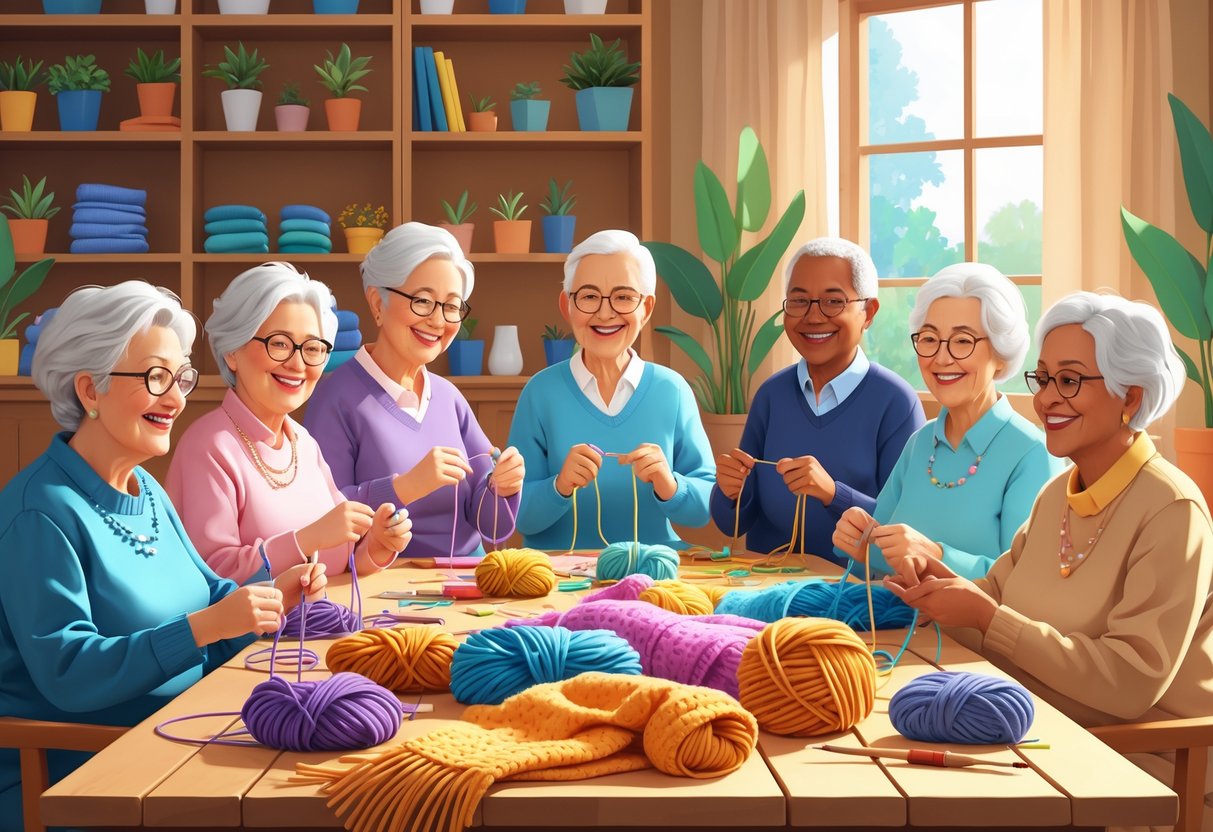
Textile arts like knitting and crochet give seniors a relaxing way to keep their hands busy and make useful things. These crafts offer a nice sense of accomplishment and often lead to new friendships when people work together in groups.
Beginner Knitting Projects
Knitting keeps your hands busy and gives you something useful at the end. Start with basic stitches—knit and purl—before you try anything fancy. Everyone starts somewhere, right?
Essential supplies you need:
- Size 8 or 10 knitting needles
- Medium-weight yarn in light colors
- Scissors
- Tape measure
Stick to simple projects that only need the knit stitch at first. Scarves are a classic choice since they’re just long and straight—no shaping headaches. You get to focus on keeping your tension even and not worry about anything else.
Washcloths are another solid option when you’re learning. They teach you to cast on, knit back and forth, and bind off. Plus, they’re small, so you actually finish them before you get bored or frustrated.
Good beginner projects include:
- Straight scarves
- Simple washcloths
- Dishcloths
- Baby blanket squares
Think about joining a knitting group at your library or community center. Other knitters can help you out when you drop stitches or hit a snag. Most groups love having beginners and will even share extra supplies if you need them.
Making Knitted Dishcloths
Dishcloths are perfect for new knitters. They come together quickly and make sweet little gifts for family. You can usually finish one in just a few hours, which feels pretty satisfying.
For dishcloths, go with cotton yarn—it soaks up water and handles the wash just fine. Light colors like white or cream make your stitches easier to see, so you’ll catch mistakes faster. Dark yarn hides errors, and that’s no fun when you’re learning.
Basic dishcloth pattern:
- Cast on 40 stitches
- Knit every row for 40 rows
- Cast off all stitches
- Weave in loose ends
The garter stitch makes ridges that help scrub dishes. When you finish, your dishcloth should measure about 8 inches square—give or take, depending on your tension.
Once you’re comfortable, try out new stitch patterns. Seed stitch, for example, mixes knit and purl stitches for a bumpy texture that’s great for scrubbing.
Make a few dishcloths in different colors and tie them up with ribbon. Homemade gifts like these always feel more personal—friends and family genuinely appreciate them.
Simple Crochet Creations
Crochet uses just one hook, which some people find easier to handle than two needles. The chain stitch and single crochet stitch are the basics, and you can do a lot once you’ve got those down.
Try starting with a granny square. It’s a classic for a reason and helps you practice working in the round and changing colors. Make a bunch and stitch them together for a blanket or pillow cover. Not bad for a beginner, honestly.
Crochet moves along faster than knitting most of the time. You’ll use thicker yarn, bigger hooks, and you can whip up things like coasters in under an hour. That quick progress is motivating, especially when you’re just starting out.
Easy crochet projects for beginners:
- Coasters
- Pot holders
- Simple hats
- Granny squares
Work on your tension by making a long chain. Count your stitches in every row to keep things even. It’s a little thing, but it makes your finished projects look a lot neater.
Maybe make a few things for charity, too. Plenty of organizations welcome handmade hats, scarves, or blankets. Giving your creations away adds a little extra purpose to your hobby, and it’s a nice way to help out in your community.
Memory Crafts: Scrapbooking and Photo Projects
Scrapbooking lets you turn old photos into keepsakes and keeps your mind active. You get to organize memories, share stories, and make gifts that actually mean something to the people you love.
Starting a Family Scrapbook
Pick a theme before you start your scrapbook. Maybe focus on childhood memories, vacations, or holidays—whatever feels right.
Basic supplies you need:
- Acid-free scrapbook album
- Photo-safe adhesive
- Colorful cardstock paper
- Sharp scissors
- Photo corners
Sort your photos by date or event. That way, it’s easier to make pages that tell a story people can actually follow.
Work on one page at a time. Put your main photo down first, then add smaller ones around it. Don’t stress about perfection—it’s supposed to be fun.
Write short captions under each photo. Add names, dates, and places so everyone knows what’s going on years from now.
Decorate with stickers or stamps, but keep it simple—no need to cover up the photos you worked so hard to find.
Creative Photo Albums
If you struggle with tiny details, digital photo albums might be easier. Plenty of online services let you upload your photos and make a book without much fuss.
Pocket-style albums are another easy option. They have clear sleeves, so you can just slide photos in without glue or tape.
Photo album ideas:
- Travel memories - One album per trip
- Grandchildren's milestones - First steps, birthdays, school events
- Holiday traditions - Same celebration over different years
Mix up photo sizes for variety. Use a combination of big and small pictures on each page—keeps things interesting.
Don’t just stick to photos. Throw in movie tickets, letters, or even pressed flowers. It makes your albums feel more alive.
Label everything. Future family members will thank you for it when they’re trying to figure out who’s who.
Memory Collage Ideas
Try making collages on poster board or canvas for more space than a scrapbook gives you.
Cut photos into circles, hearts, or whatever shapes you like. It adds a little flair to your collage.
Collage themes that work well:
- Life decades (1950s, 1960s, etc.)
- Family tree with photos
- Hobby or career highlights
- Friendship memories
Use magazines or newspapers from important years to show what life was like back then.
Overlap photos a bit for depth, and put your favorite or most important one right in the center.
Add pieces of fabric or textured paper for something people want to touch. It just feels more interesting that way.
Frame your finished collages and hang them up at home. They’re great conversation starters when family or friends come by.
Crafting with Grandchildren
Making crafts with your grandchildren is a fun way to create memories and keep everyone’s hands (and minds) busy. These shared projects can bridge the generation gap, and honestly, it’s just nice to spend time together doing something creative.
Intergenerational Craft Activities
Crafting brings generations together in ways that feel real. You get to share what you know, and maybe even pick up something new from the younger crowd.
Photo crafts are great for mixed ages. Make scrapbook pages together with family pictures. Let the grandkids arrange photos while you tell stories about who’s in them.
Knitting and crocheting projects pass on useful skills. Start simple—scarves or dishcloths are perfect. You can work alongside each other and teach the basics as you go.
Memory crafts mix storytelling and making things. Try making a family tree with construction paper and photos. Decorate memory boxes and record family stories as you work.
Nature crafts get everyone outside first. Collect leaves, flowers, or rocks, then turn them into bookmarks or painted decorations. It’s a nice excuse for a walk, too.
Simple Projects for All Ages
Pick projects that everyone can handle, no matter their age or skill. Simple crafts make it easy for everyone to join in and feel good about what they make.
Paper crafts are easy and use stuff you probably already have. Make greeting cards with colored paper, markers, and stickers. Turn paper plates into animals or decorations—kids love it.
Painting projects let everyone get creative. Use washable paints on canvas or paper. Little kids can finger paint while you use brushes—no rules here.
Bead crafts help with fine motor skills. Younger kids can string big beads, while older ones can try jewelry patterns. Make matching bracelets or necklaces for fun.
Clay projects are hands-on and forgiving. Air-dry clay is perfect for small sculptures or handprint keepsakes. No kiln, no problem.
Holiday and Seasonal Crafts
Seasonal crafts tie your activities to special times of year. These projects often turn into decorations or gifts that come out year after year.
Christmas crafts build traditions. Make ornaments from felt, ribbon, and glitter. Paper snowflakes are a classic—fun to make and pretty to hang up.
Halloween projects are all about fun. Paint pumpkins instead of carving them (way less mess). Make ghosts with white fabric and string—easy and cute.
Spring crafts celebrate new beginnings. Paint flower pots and plant seeds together. Flower crowns made with fake flowers and headbands are always a hit.
Thanksgiving activities encourage gratitude. Create thankful trees with paper leaves, or make turkeys from handprints and colored paper.
Valentine crafts are all about sharing love. Make cards with doilies, red paper, and heart stickers. Handmade always beats store-bought, if you ask me.
Woodworking and 3D Crafts
Woodworking gives you a hands-on way to be creative and make things you’ll actually use or give away. Starting with simple projects and basic tools helps you stay safe while you learn—and you get to see real results for your effort.
Beginner Woodworking Projects
Birdhouses are a fantastic first project. You only need a few basic cuts and some simple assembly. If sawing feels intimidating, grab a pre-cut kit and just focus on putting it together.
Picture frames don’t take many tools, and you’ll practice measuring and cutting. Stick with straight cuts before you try anything fancy. Sand the wood and add a finish if you want—nothing too complicated.
Small wooden planters are nice for herbs or flowers. Use lightweight wood like cedar or pine. These teach you basic joining without needing a workshop full of gear.
Walking sticks are both useful and personal. Pick a sturdy branch and shape the grip until it feels right. Add a carved pattern or some wood burning if you’re feeling creative.
Memory boxes help you practice measuring and fitting pieces together. They make thoughtful gifts, and you can line them with felt for a polished touch.
Start with hand tools—saws, sandpaper, clamps. They’re safer and easier to control than power tools, especially when you’re new. Softwoods like pine or cedar are easier to work with than hardwoods, so stick with those until you’re more confident.
Decor and Functional Wooden Items
Kitchen utensils like spoons and cutting boards are both practical and fun to make. Use food-safe finishes to protect your work. People actually use these, so they make great gifts.
Wall shelves add storage and let you show off your skills. Simple bracket shelves are a good starting point. Just make sure you mount them to studs so they’re sturdy.
Wooden signs combine woodworking and art. Use stencils for letters or try wood burning if you want. Weatherproof finishes will help outdoor signs last longer.
Small furniture pieces—plant stands or side tables—are a good challenge as you get more comfortable. Focus on making them sturdy, not fancy. You’ll learn a lot about joinery along the way.
Toy making is a fun way to make special gifts for grandkids. Simple cars, blocks, or puzzles are good starter projects. Sand everything smooth and use non-toxic finishes, especially for little ones.
Pick projects that suit your skills right now. Good lighting and ventilation make your workspace safer and more pleasant. Keep your tools organized and within easy reach—it makes everything go smoother, trust me.
Frequently Asked Questions
Paper crafts, adaptive techniques, and specialized activities let seniors with different abilities enjoy crafting. When vision, arthritis, dementia, or mobility issues come up, you can tweak crafts and materials to fit those needs.
What types of paper crafts can seniors engage in that are both simple and accessible?
Paper flowers made with tissue paper and pipe cleaners just need some folding and twisting—no tricky cutting or tiny details. They add a splash of color, and you don’t have to fuss over perfection.
Greeting cards with pre-cut shapes and stickers mean you can skip tricky scissor work. Grab a glue stick or an adhesive roller and you’re good to go, even if your hands aren’t as strong as they used to be.
Collages let you tear or cut paper into whatever size pieces feel right. Magazines, newspapers, colored paper—they all work for making something personal.
Scrapbooking with bigger photos and simple layouts helps you keep memories alive. Pre-made page designs and photo corners make it easier and less fiddly.
Paper plate crafts turn everyday stuff into decorations. Paint, glue, or stick things on to make seasonal pieces or just something fun for the kitchen.
How can seniors with arthritis participate comfortably in crafting activities?
Pick tools with thick, padded handles—they’re a lot easier on your hands. Ergonomic scissors and chunky brushes help too; nobody wants a hand cramp halfway through.
Use bigger materials like wide ribbons or thick yarn. They’re less fiddly and don’t make your fingers work so hard.
It helps to take breaks every 15 or 20 minutes. Give your hands a rest and stretch a bit, so crafting stays fun instead of turning into a chore.
Foam brushes cover more space and don’t need as much careful movement as regular paintbrushes. They’re a nice swap for painting projects.
Clay work or finger painting offers a hands-on experience without needing to grip tools. It’s gentle on the joints and actually feels pretty relaxing.
What are some suitable craft ideas for elderly individuals with dementia?
Coloring in large-print books brings a sense of calm and focus. The simple act of coloring can be both soothing and familiar.
Sorting buttons, beads, or bits of fabric by color or size taps into the urge to organize. It’s purposeful and brings a bit of gentle mental exercise.
Sensory bins with rice, beans, or sand invite you to explore textures. You might hide small objects for a little surprise or just enjoy the feel of the materials.
Stringing big beads on elastic to make jewelry is satisfying. The repetitive motion can be almost meditative, and you end up with something pretty to wear or share.
Fabric collages with soft materials and fabric glue are all about the feel. Make shapes or patterns—no need to stress over where every piece goes.
Which crafts are currently popular among adults that can be adapted for seniors?
Adult coloring books with complicated designs can be swapped for simpler patterns with bigger spaces. Look for books made for seniors, with bold outlines and images you actually recognize.
Diamond painting with bigger gems is easier on the eyes and hands. Smaller canvases let you finish a project in a reasonable amount of time.
Knitting and crocheting are still favorites, especially with chunky yarn and big needles. Simple scarves or dishcloths are satisfying to finish and don’t drag on forever.
Resin art works well if you use pre-made molds and just mix colors. You pour the resin—no need for detailed brushwork or steady hands.
Succulent gardening and terrarium making bring crafting and a bit of nature together. The materials are easy to handle, and you get a little ongoing project to care for.
What activities can improve the well-being of seniors with limited mobility through crafting?
Lap quilting or embroidery hoops are perfect if you want to work from a chair or even bed. You can move these projects around with you, no problem.
Puzzle making or decorating cards at a table doesn’t require much movement. Set up your supplies within reach, and you’re set for a relaxing session.
Finger knitting with thick yarn lets you make scarves or belts, and you don’t need needles at all. It’s a good pick if holding tools is tough.
Painting at a table or on an easel works for different mobility levels. Both watercolors and acrylics are options for seated sessions.
Jewelry making with magnetic clasps skips the fiddly little closures. Pre-strung beads and elastic cord keep things simple and satisfying.
Are there specific crafting options that cater to seniors with low vision?
High-contrast materials, like white paper with black markers, really help create clear visual boundaries. Bold patterns and simple shapes tend to be easier to see and follow, too.
Tactile crafts using textured materials let you feel your progress as you go. Stuff like clay modeling, fabric work, or rope crafts rely more on touch than sight, which can be a relief.
Large-print patterns and templates can make things more manageable for folks with reduced vision. Magnifying lamps add extra light and help enlarge details if you’re working on something fiddly.
Thick yarn for knitting or crocheting lets your hands find the stitches easily. If you stick with lighter yarn colors, the stitches stand out more than with dark ones.
Audio-guided crafts mix listening with making things. Following spoken instructions while working with familiar materials, like clay or fabric, can actually feel pretty natural.